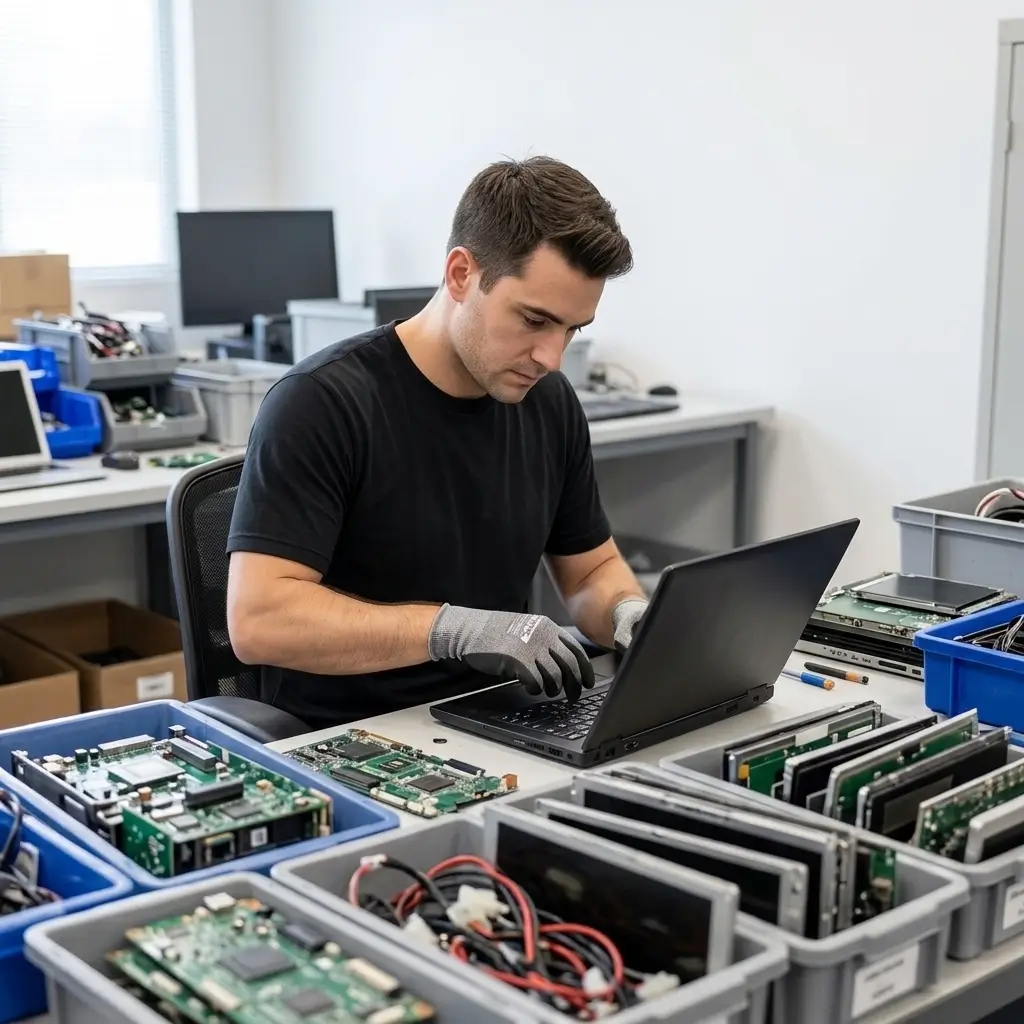
As businesses and organizations replace IT equipment and manage large volumes of electronic waste, choosing the right R2 certified IT asset disposition (ITAD) provider has become increasingly important. Improper IT asset disposal can expose organizations to environmental risks, data breaches, and regulatory issues.
This is where R2 certification comes in.
R2 certification is one of the most widely recognized standards for responsible electronics recycling and IT asset disposal. It helps organizations identify R2 certified ITAD providers that follow strict requirements for environmental protection, data security, worker safety, and accountability.
In this guide, we break down what R2 certification means, why R2 recycling matters, R2 certification requirements, the benefits of working with R2 certified ITAD providers, and how to choose the right one for your business.
What is R2 certification?
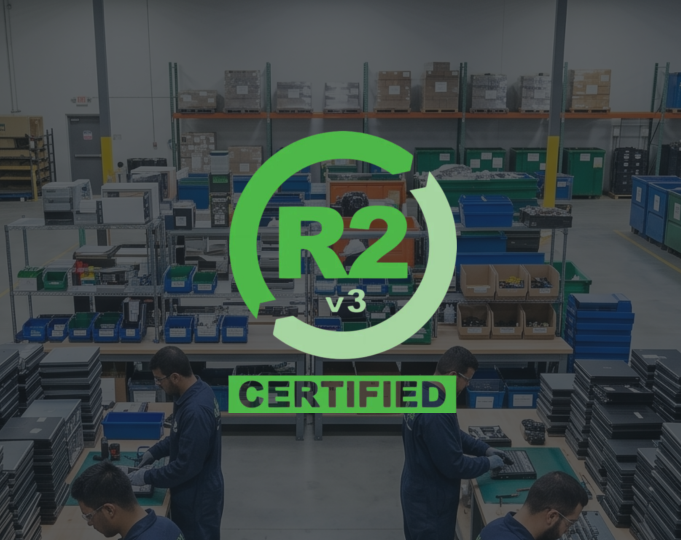
R2 certification is one of two certified recycling standards officially recognized by the United States Environmental Protection Agency, developed for the responsible reuse and recycling of electronic equipment.
The R2 certification was created by Sustainable Electronics Recycling International (SERI) to establish best practices for IT asset disposition providers. The current version of the standard is known as R2v3. R2 certification builds on more than a decade of industry auditing and implementation experience. It was developed using feedback from recyclers, businesses, regulators, customers, and other industry stakeholders to better address today’s electronics recycling challenges.
The goal of R2 recycling is to reduce environmental harm, extend the lifecycle of electronics where possible, and ensure sensitive data is properly destroyed before equipment is recycled or remarketed. Unlike basic recycling programs, R2 certification focuses heavily on accountability, traceability, and operational controls throughout the entire recycling chain.
Why does R2 recycling matter?
Electronic waste is one of the fastest-growing waste streams in the world. Businesses and organizations regularly dispose of laptops, servers, networking equipment, hard drives, mobile devices, and other electronics that may still contain sensitive data or hazardous materials. Without proper ITAD processes, electronics can end up in landfills, exported irresponsibly, or processed in unsafe working conditions.
Working with an R2 certified ITAD provider helps you:
- Ensure secure data destruction
- Meet ESG and sustainability goals
- Maintain regulatory compliance
- Reduce environmental impact
- Reduce liability associated with improper disposal
For many businesses, partnering with an R2 certified ITAD partner is now considered a best practice for IT asset disposition and e-waste management.
Learn more: IT Asset Lifecycle Management Best Practices: A Guide for Businesses and Organizations
What are the requirements for R2 certification?
Achieving R2 certification is a detailed process that typically takes 8 to 12 months to complete. Facilities must undergo independent third-party audits to verify compliance with the R2 Standard, environmental and safety management systems, and data security requirements.
The certification process includes:
- Education and training on the R2 Standard
- Completing the R2 license application
- Implementation of R2 requirements
- Collecting records and compliance evidence
- Conducting internal audits
- Passing a two-stage certification audit
- Maintaining R2 certification
Learn more: R2 Certification Requirements: How to Get R2 Certification for Electronic Recyclers
R2 certified facilities must demonstrate proper environmental practices, secure data destruction procedures, worker health and safety controls, downstream vendor management, and legal compliance.
How much does it cost to get R2 certification?
R2 certification requires a financial commitment. Initial certification can cost approximately $35,000, with ongoing annual costs often around $15,000 to maintain compliance and good standing.
That investment matters. Certified companies have a real financial stake in protecting their certification, following documented processes, and maintaining responsible recycling standards. Non-certified operators do not carry the same burden, and in many cases, lack the same built-in incentive to handle equipment, data, and downstream materials the right way.
How does R2 certification support environmental compliance?
One of the core focuses of R2 certification is environmental responsibility.
Electronics often contain hazardous materials such as lead, mercury, cadmium, lithium batteries, and brominated flame retardants. Improper disposal of these materials can contaminate soil, water, and air.
R2 certified ITAD providers must follow strict environmental controls for handling, storage, transportation, and processing of electronic waste. They are also required to comply with applicable local, provincial/state, federal, and international environmental regulations.
In addition to recycling, R2 certification prioritizes reuse whenever possible. Extending the life of electronics through IT refurbishment and redeployment helps reduce unnecessary waste and supports a more circular economy.
Learn more:
Why E-Waste Recycling is Important
Environmental Consequences of Improper Disposal of E-Waste Are Actually Avoidable
How does R2 certification protect data security?
Data security is one of the biggest reasons businesses choose an R2 certified ITAD provider.
Retired IT equipment often contains highly sensitive information, including customer records, financial information, employee data, intellectual property, healthcare or legal records. Improper disposal of storage devices can result in major security breaches and compliance violations.
R2 certified ITAD providers must follow strict data sanitization standards that align with industry practices. Depending on the device type and industry, this may include:
- Hard drive erasure
- Hard drive destruction/ hard drive shredding
- Data center decommissioning
- E-waste recycling
- IT asset value recovery
- IT asset refurbishment and redeployment
For organizations in highly regulated industries such as healthcare, finance, education, and government, secure IT asset disposal is especially critical.
Learn more: What is the role of data destruction in cybersecurity?
What are the benefits of working with an R2 certified ITAD provider?
Choosing an R2 certified ITAD provider offers several operational and compliance benefits for businesses and organizations.
Reduced risk
R2 certified companies follow documented processes for environmental management and data security to make sure sensitive information is securely handled, helping reduce legal, reputational, and operational risks.
Improved sustainability reporting
Many organizations include responsible electronics recycling as part of their ESG and sustainability initiatives. R2 recycling helps support those reporting goals.
Better chain of custody
A strict chain of custody with detailed tracking and documentation improves transparency throughout the recycling and disposition process.
Secure data destruction
Businesses and organizations gain confidence that sensitive information is properly destroyed and irrecoverable before equipment leaves their control.
Responsible asset recovery
In some cases, retired IT equipment can be refurbished or remarketed, helping organizations recover value from retired IT assets. Learn more about IT asset value recovery.
Learn more: Why Your Business Should Consider a Data Destruction Service
How to choose an R2 certified ITAD provider
Not all ITAD providers follow the same standards. When selecting an R2 certified ITAD provider, businesses should evaluate more than just pricing.
Here are a few things to look for when choosing an R2 certified ITAD provider:
Verify R2 certification: Confirm the recycler holds a valid and current R2 certification through SERI.
Ask about data destruction solutions: Understand the company’s data sanitization methods, chain of custody procedures, and reporting capabilities.
Review downstream practices: Ask how materials are processed after collection and whether downstream vendors are audited and tracked.
Evaluate logistics and tracking process: Look for providers with a strict chain of custody that offers serialized asset tracking, reporting, and secure transportation options.
Review asset recovery and refurbishment service: A strong R2 recycling partner should prioritize reuse and responsible material recovery whenever possible.
What is the difference between R2 certified and non-certified ITAD providers?
The biggest difference between R2 certified and non-certified recyclers comes down to accountability, transparency, and operational standards.
| R2 certified ITAD provider | Non-certified recycler |
| Independently audited | No standardized audits |
| Strict data destruction standards | Data handling may vary |
| Environmental compliance requirements | Limited oversight |
| Downstream vendor tracking | Often lacks visibility |
| Documented processes and reporting | Inconsistent procedures |
| Worker health and safety standards | May not follow formal protocols |
Partner with Keystone, your R2 certified ITAD provider
At Keystone Technology Management, we help businesses securely and responsibly manage retired IT assets through R2 certified electronics recycling, secure data destruction, and compliant IT asset disposition services. Our team prioritizes transparency, environmental responsibility, and secure chain of custody processes to help organizations confidently manage their electronic waste and data security requirements.
If your organization is looking for a trusted R2 certified electronics recycling partner, contact Keystone to learn more about our ITAD and e-waste recycling solutions.
Learn more:
How to Build a Data Destruction Policy That Protects Your Organization
IT Asset Lifecycle Management Best Practices: A Guide for Businesses
Explore more:
Secure data destruction services