
When most people think of cybersecurity, they imagine complicated passwords, authentication systems, or virtual firewalls that prevent malicious entities from accessing private information. While these security measures are essential, secure data destruction is just as important in protecting business and customer data. Data destruction is the process of permanently erasing or destroying information so it can no longer be accessed, recovered, or misused.
In the past, data destruction wasn’t much more than shredding papers to make their contents unreadable. However, in the digital age where everything is stored virtually, it won’t be enough to simply delete files; companies must devote more time to ensuring that the private information stored on their technology has been sufficiently erased. Here’s how data destruction plays a critical role in modern cybersecurity strategies.
What is data destruction?
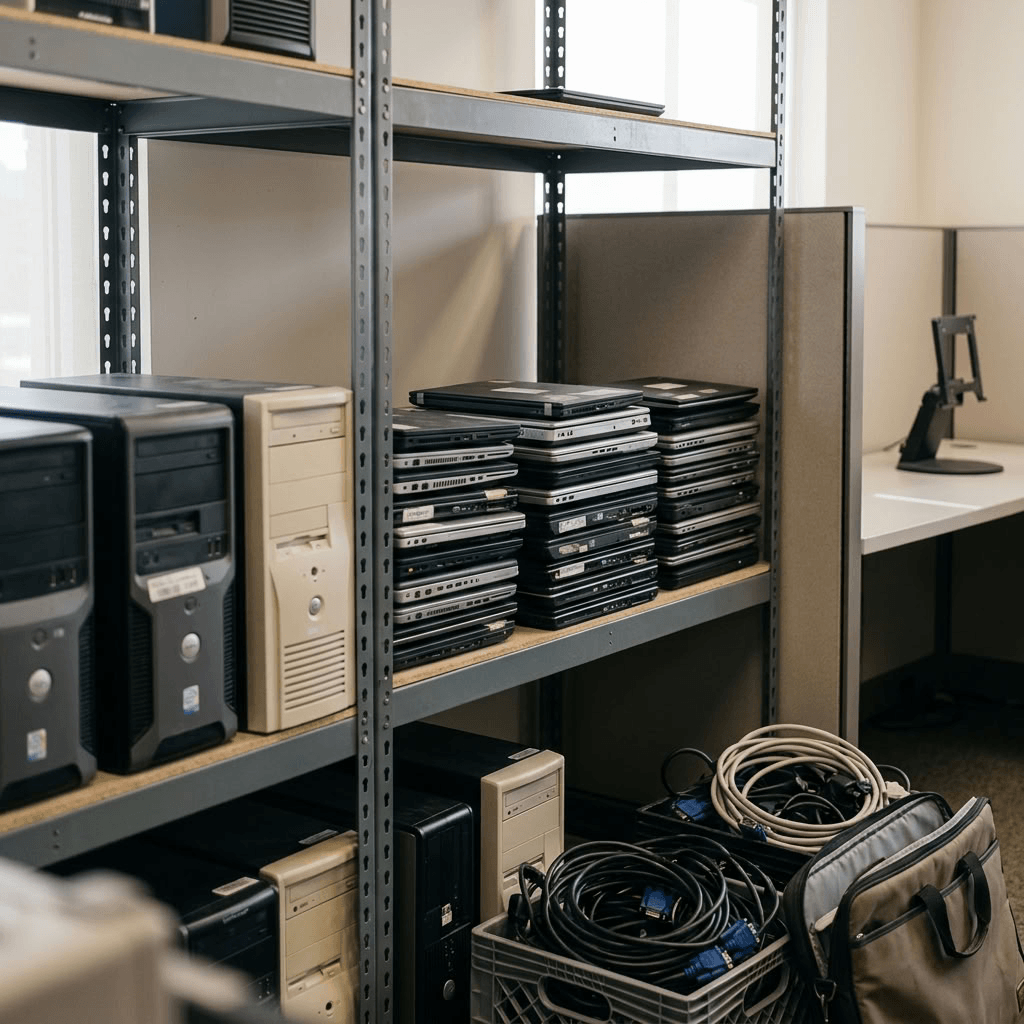
Data destruction is the secure, permanent removal of sensitive information stored on data-bearing devices. Businesses use data destruction services when retiring, replacing, recycling, or reselling outdated IT equipment.
There are two data destruction methods:
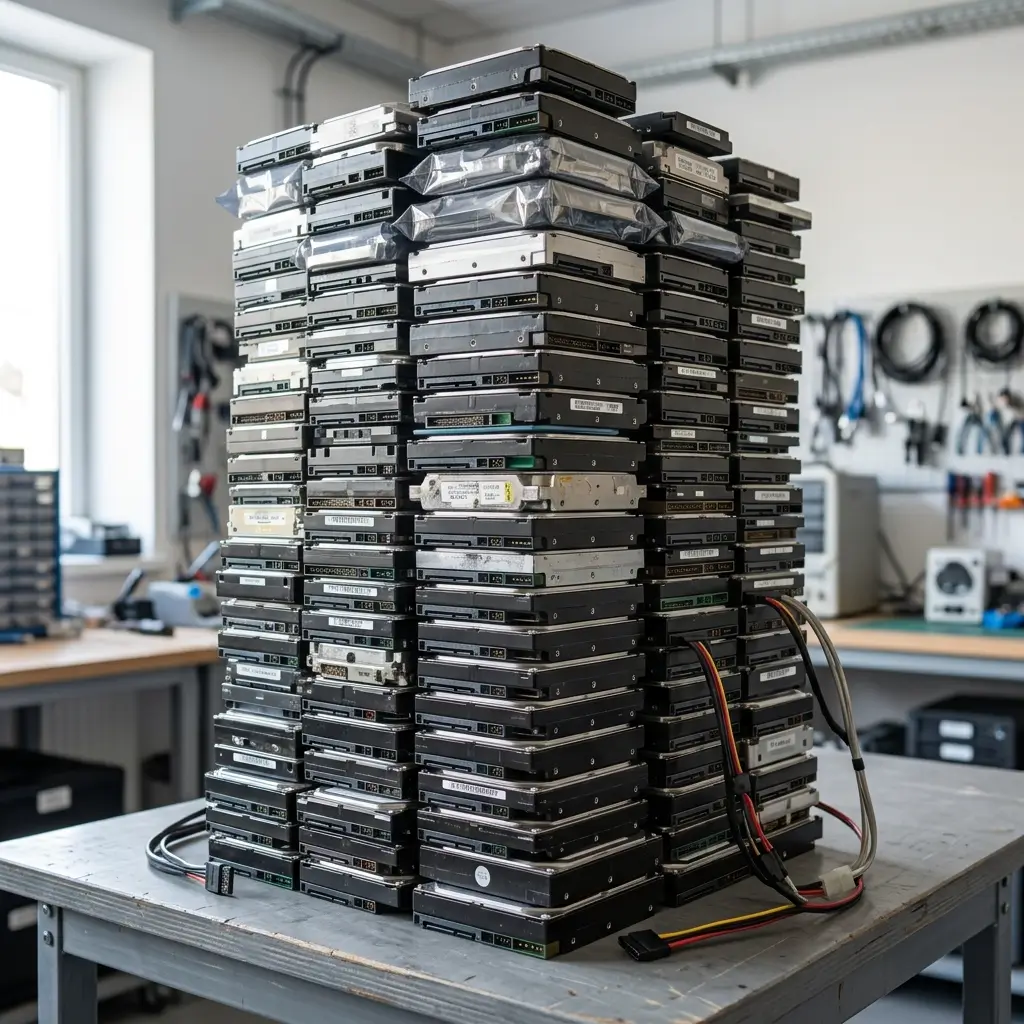
- Hard drive destruction: permanently damaging storage devices though shredding or physical destruction so that data cannot be recovered.
- Hard drive erasure: securely wiping data from hard drives, while preserving the hardware for reuse or asset value recovery.
Learn more about secure data destruction.
What is the importance of data destruction in cyber security?
Preventing data breaches
It is incredibly common for companies to store the personal data of their business, their clients, and their partners on digital devices. This information can include everything from financial data, private medical details, and legal matters. Thorough data destruction is vital so that such personal information does not fall into the wrong hands.
Cybercriminals on the internet are constantly searching for ways to access sensitive data and profit from it. Even information contained in devices that are resting in storage is at risk of theft, meaning that companies have an incentive to thoroughly erase the data of technology they don’t plan to use anymore. Should cyber thieves access this information, it can result in hacks, identity theft, and other issues no business wants to experience.
Protecting sensitive information
In some instances, second-hand software may still contain private information that ends up in possession of the device’s new owner. These circumstances are especially true for those who retrieve unwanted technology from a dumpster or who pick up laptops, USBs, or other devices that were left behind by accident.
Compliance and data destruction regulations
As a result of these risk factors, regulatory laws have been established regarding data destruction so that companies are held responsible for the personal data they store. These data storage regulations ensure that no sensitive info is leaked and causes unwanted harm to an individual or company. Therefore, companies must make proper data destruction a priority; otherwise, regulators who find they are not correctly handling the data can issue significant fines.
Learn more about ITAD certifications and compliance.
Related:
The Dangers of Not Destroying Your Company’s Data
Why Your Business Should Consider a Data Destruction Service
How to Build a Data Destruction Policy That Protects Your Organization
Choosing the right data destruction method for maximum protection
Since sensitive data can be stored across a wide range of devices, including company laptops, servers, and hard drives, organizations need the right IT asset disposal and data destruction methods to ensure complete security. Depending on the device and business requirements, this can include hard drive erasure through certified data overwriting, degaussing that uses powerful magnetic fields to permanently scramble data, or physical destruction methods such as hard drive shredding.
The right approach depends on an organization’s operational, security, and sustainability goals. For example, securely destroying data across large volumes of devices may require more time and coordination, while businesses looking to redeploy or resell equipment must use methods that completely erase data without damaging the hardware. Choosing the appropriate data destruction process helps organizations protect sensitive information, maintain compliance, and maximize the value of their IT assets.
Why partner with a certified ITAD solutions provider?
If your business is researching data destruction companies to help with their cybersecurity, Keystone Technology Management provides certified ITAD services designed to protect sensitive information throughout the IT asset lifecycle.
Contact Keystone Technology Management to help safeguard your organization’s data with secure, compliant ITAD solutions.
Explore:
IT asset disposal services
Data destruction for office equipment
ITAD solution for banks & financial institutions
Data destruction services for law firms
IT disposal & data destruction for hospitals & healthcare
ITAD for remote offices