
Sensitive data is at the core of every organization. From customer records to internal business information, how you manage and dispose of that data directly impacts your risk, compliance, and reputation. A clear, well-executed data destruction policy ensures your information is securely handled at the end of its lifecycle, reducing the risk of data breaches, fines, and operational disruption.
This guide outlines the key elements of a strong data destruction policy and how to implement one effectively for your organization.
Why do I need a data destruction policy?
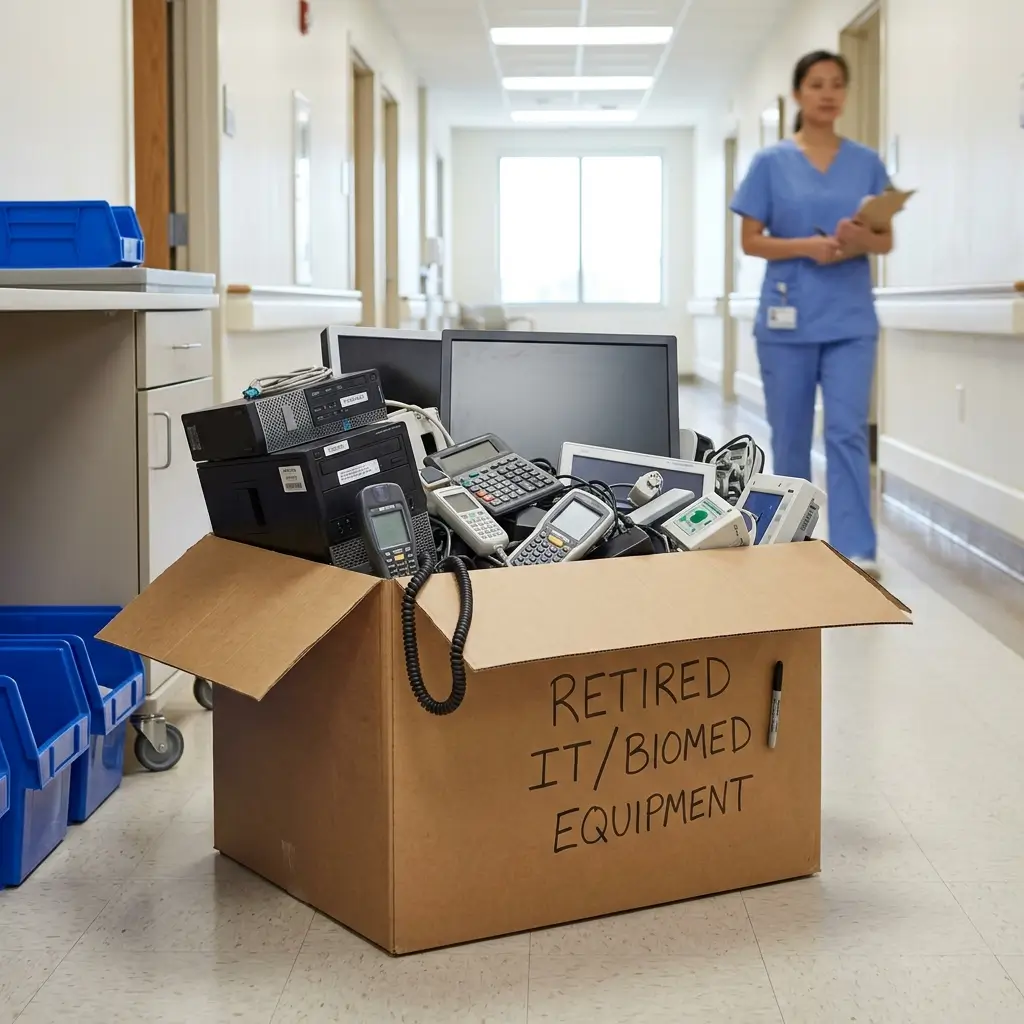
Old or retired hard drives, servers, and storage devices often contain recoverable information, making them an ongoing risk if not properly handled.
Your organization needs a clear data destruction policy that ensures your data is only kept if necessary and securely destroyed when it’s no longer needed, reducing risk and keeping your organization compliant.
Without a defined data destruction policy, that unused data becomes a liability, exposing your organization to potential breaches, regulatory non-compliance, unnecessary storage costs, and reputational damage if information is compromised.
What should I include in my data destruction policy?
A data destruction policy should be practical, enforceable, and aligned with how your organization operates. Here are steps you can take to build a structured policy tailored to your organization and its compliance standards.
Governance, compliance, and accountability
1. Identify and classify types of data
Start by understanding what data you have. Take time to examine and categorize the different types of data your organization handles. This includes personal data, financial records, customer information, proprietary business data, and any other sensitive information.
Understanding the nature of the data is fundamental to creating an efficient data destruction policy for your organization.
2. Align with legal and regulatory requirements
Research and understand the data protection laws and regulations that apply to your organization. Your data destruction policy should align with applicable laws and industry standards. Depending on your operations, this may include the General Data Protection Regulation (GDPR) in Europe or, in the healthcare sector, the Health Insurance Portability and Accountability Act (HIPAA).
Compliance with these laws is mandatory and should be a cornerstone of your data destruction policy.
3. Appoint a Data Protection Officer
Designate a responsible individual or team to oversee data protection and data destruction within your organization. This Data Protection Officer (DPO) will be responsible for ensuring that the policy is implemented effectively.
4. Defined data lifecycle management
Establish clear, comprehensive guidelines for how organizational and customer data is handled across its entire lifecycle, outlining each stage from creation to secure disposal:
- How is data collected?
- How is data stored and accessed?
- When and how was the data destroyed?
This ensures consistency across teams and systems and that all employees are aware of and trained on these protocols.
Security, access, and data destruction
5. Controlled access and security
Restrict access to sensitive data to only authorized personnel. Use strong authentication methods and access controls to prevent unauthorized individuals from gaining access to your organization’s sensitive data.
6. Implement secure destruction methods
Not all data destruction methods are equal. Your data destruction policy should define approved methods such as:
Learn more about secure data destruction services.
Monitoring, training, and risk management
7. Regular auditing and monitoring
Establish a routine schedule for auditing and monitoring your data destruction processes. This includes checking that data is being destroyed in compliance with your policy and that all employees adhere to the guidelines.
Maintain detailed records of all data destruction activities, including any and all times you dispose of or sell computer hardware, storage media, or other data sources. Documentation supports compliance and protects your organization in the event of an audit or incident.
Learn more about IT chain of custody.
8. Train employees and enforce accountability
Maintain detailed records of all data destruction activities, including any and all times you dispose of or sell computer hardware, storage media, or other data sources. This documentation is essential for compliance purposes and can serve as evidence of due diligence in case of legal inquiries.
9. Establish an incident response plan
Develop a robust incident response plan in case of data breaches or accidental data exposure. Define the steps to be taken in the event of a breach, including notifying affected parties and reporting the incident to relevant authorities.
Your policy should outline:
- Steps for containment and reporting
- How to identify a data breach
- Who is responsible for response
10. Review your data destruction policy regularly
Periodically review and update your data destruction policy to adapt to evolving technologies and changing regulations. Staying up-to-date is crucial to maintaining the effectiveness of your data protection measures.
Why partner with a certified ITAD solutions provider?
Partnering with a certified data destruction company like Keystone Technology Management is an essential part of keeping your organization’s data secure. We specialize in both digital data destruction and physical destruction, and our team of experts can provide additional assurance and expertise in maintaining a robust data destruction policy.
Working with a certified data destruction provider ensures:
- Secure handling of physical and digital assets
- Compliance with industry standards
- Certified data destruction processes
- Reduced internal workload and liability
Contact Keystone Technology Management for secure IT asset disposition you can rely on to strengthen your data destruction policy.
Learn more:
How Chain of Custody Is Critical to Electronic Data Destruction
To Shred or to Erase? That is the Question.
3 Reasons Why Hard Drive Destruction is Beneficial to Your Business
Explore:
Data destruction services
IT asset value recovery
E-waste recycling