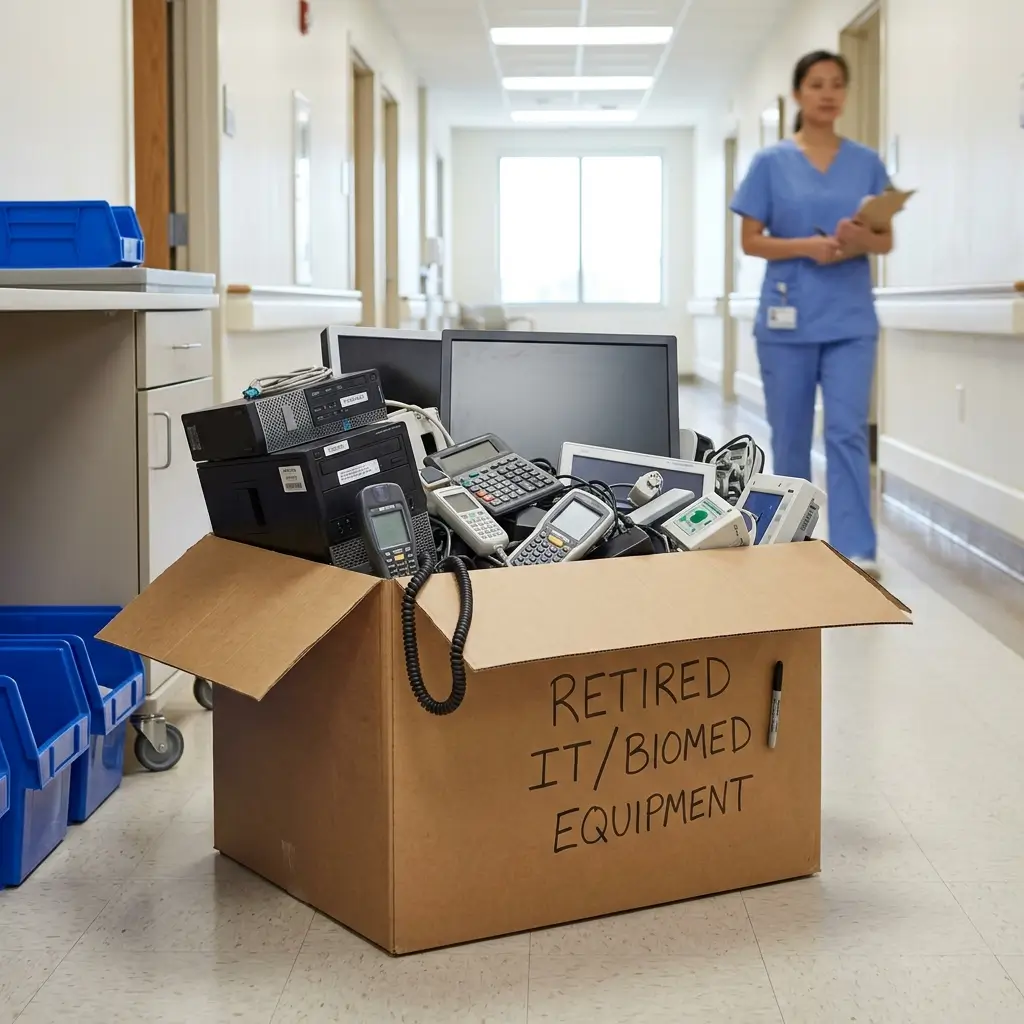
Businesses handle sensitive information every day as part of their normal operations. Employee records, customer information, financial data, intellectual property, and internal communications are often stored on computers, servers, hard drives, and mobile devices long after they are no longer in use.
Unfortunately, simply discarding outdated electronics or retiring old equipment without certified data destruction can expose your organization to significant risk. The risks of improper IT asset disposal extend far beyond losing hardware, they can lead to data breaches, financial penalties, legal action, and lasting reputational damage.
To help you protect your business’ sensitive information, here is a guide on the four major risks of improper IT asset disposal.
What are the risks of improper IT asset disposal?
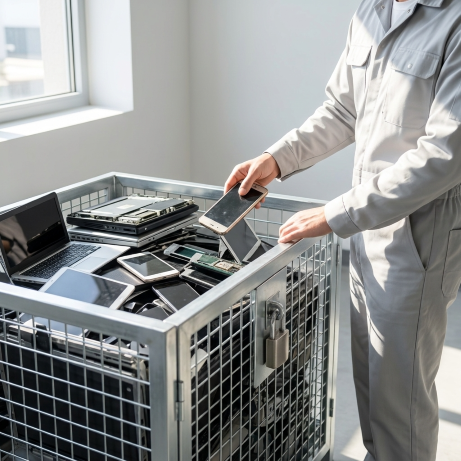
When businesses upgrade computers, replace servers, or retire storage devices, the focus is often on purchasing new equipment, not safely disposing of the old. Deleted files are never truly gone. Hard drives, SSDs, laptops, servers, mobile devices, and backup media can still contain recoverable customer records, financial information, employee data, login credentials, and confidential business documents.
Without certified data destruction, your retired IT assets can become a serious security liability. Understanding the risks of improper IT asset disposal is essential for protecting your organization from cybercrime, regulatory penalties, and reputational damage.
1. Increased risk of fraud and identity theft
If confidential data leaks out because a company did not engage in certified data destruction, it could lead to a variety of criminal activities. When hard drives, laptops, servers, or storage devices are discarded without proper sanitization or destruction, confidential data may still be fully recoverable.
Criminals can use this information for identity theft, financial fraud, corporate espionage, or phishing campaigns targeting employees and customers. Employee records containing social insurance numbers, payroll information, banking details, or addresses are particularly valuable to cybercriminals. Customer information and proprietary business data can also be exploited for financial gain or competitive advantage.
Certified data destruction eliminates these risks by ensuring that sensitive information cannot be recovered from retired equipment.
Learn more: What is the role of data destruction in cybersecurity?
2. Regulatory fines and compliance violations
Another major risk of improper IT asset disposal is regulatory non-compliance. Many industries are subject to strict privacy and data protection regulations that require organizations to securely dispose of confidential information once it is no longer needed. Failing to meet these obligations can result in significant fines and penalties.
For instance, the General Data Protection Regulation (GDPR), was enacted by the EU to protect its citizens. Many other parts of the world have data privacy regulations similar to the GDPR, as do particular industries. The Health Insurance Portability and Accountability Act of 1996, known as HIPAA, was created to ensure the safety of sensitive patient information in the healthcare industry. Additionally, financial institutions have many data protection rules of their own to follow, and if any of them are violated, the resulting fine will cause them to lose a considerable amount of money.
Learn more: Why Data Destruction is So Important for Hospitals
3. Civil lawsuits and legal liability
Companies won’t just face fines from the government if they fail to employ certified data destruction. Affected individuals such as their clients, both current and former, may pursue legal action against the organization responsible for protecting that information.
Improperly disposed laptops, hard drives, and storage devices can still contain personal information such as banking records, account credentials, addresses, and other confidential data. If this information is later recovered and misused, businesses may face costly litigation, settlements, and legal expenses. If this information is ever leaked due to improper data security measures, then those clients have a right to sue companies.
4. Loss of customer trust and reputation
After a company sustains either a regulatory fine or civil lawsuit due to the absence of certified data destruction, its reputation can suffer considerably. Potential clients will be less likely to place their trust in a company that does not take data security seriously; nobody wants to lose data and have their sensitive information fall into the wrong hands. Therefore, clients will not want to place their old electronics in the care of a company that does not dispose of valuable data properly.
The decline in customers caused by the loss of confidential data can lead to the failure of a business; customers will find other companies to entrust their confidential information. Existing clients may choose not to renew contracts, while prospective customers may avoid working with a company that has experienced preventable data security failures. Eventually, the company that lets data leak due to improper data security practices will lose its revenue and eventually lose its business. Rebuilding trust after a data breach can take years and often requires significant investments in marketing, public relations, and cybersecurity improvements.
Learn more: Why Your Business Should Consider a Data Destruction Service
Protect Your Business with Certified Data Destruction
The risks of improper IT asset disposal are significant and can impact every area of a business, from finances and legal compliance to customer relationships and long-term growth. Implementing secure IT asset disposition processes and certified data destruction helps protect sensitive information, maintain regulatory compliance, and safeguard your organization’s reputation.
If your organization requires certified data destruction or hard drive shredding services, contact Keystone Technology Management today to ensure your retired IT assets are disposed of securely and responsibly.
Learn more:
IT Asset Lifecycle Management Best Practices: A Guide for Businesses and Organizations
How to Build a Data Destruction Policy That Protects Your Organization
To Shred or to Erase? That is the Question.
Explore:
Data destruction services
Hard drive shredding services for secure data destruction
How ITAD works