Technology plays an essential role in modern business operations. From customer information and financial records to employee data and confidential business documents, organizations rely on computers and storage devices to manage and protect an enormous amount of information. One of the key benefits of hard drive destruction is that it helps prevent sensitive business data from being recovered after a device is retired. If these drives are thrown in the garbage or handled improperly, your business could face unnecessary data security, compliance, and privacy risks.
Here are three key benefits of hard drive destruction and why businesses should include secure data destruction in their IT asset disposal (ITAD) process.
What is hard drive shredding?
Hard drive shredding involves industrial shredding machines designed to physically destroy IT equipment and their internal components, making it impossible to recover stored information. For organizations handling highly sensitive information, this can provide greater assurance than simply deleting files and sending the device to a certified ITAD provider.
For businesses with strict security requirements, on-site hard drive destruction can provide another layer of control by allowing the destruction process to take place at your facility rather than transporting your assets to the ITAD facility.
Benefits of hard drive destruction
1. Make sensitive data unrecoverable
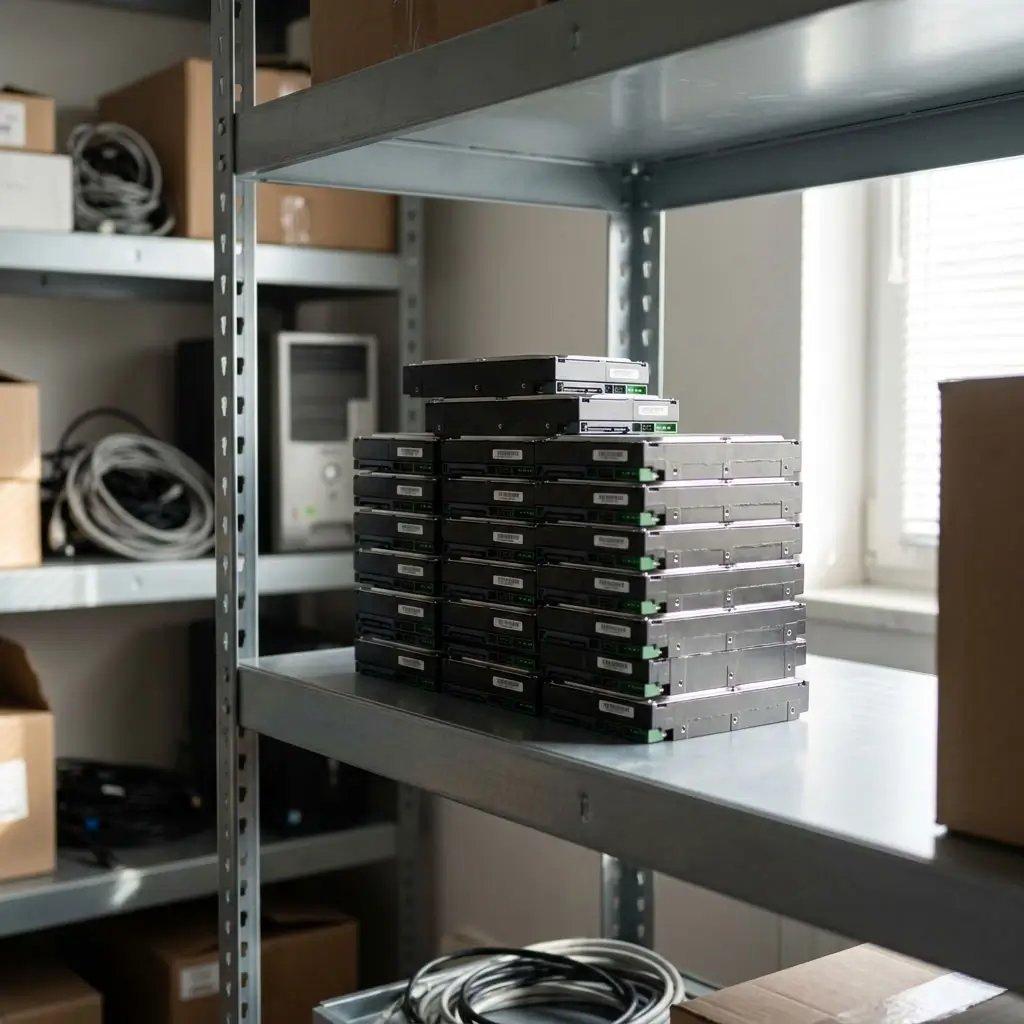
One of the most important benefits of hard drive destruction is eliminating the risk that sensitive information can be recovered from retired storage devices. Deleting files or formatting a hard drive does not necessarily destroy the underlying data. This can create significant risks when old drives contain customer records, financial information, employee data, passwords, intellectual property, or other confidential information. Hard drive shredding provides an additional layer of security for your business when it’s time to dispose old and retired IT assets by physically destroying them.
Related: IT Hardware Recycling: 5 Signs Your IT Assets Are Outdated and Ready for Hardware Recycling
2. Reduce data security and compliance risks
Another major benefit of hard drive destruction is reducing the risk associated with improper data disposal. A data breach involving an improperly discarded hard drive can result in financial losses, reputational damage, legal issues, and regulatory penalties.
Depending on your industry and the type of information your organization handles, different privacy and data protection requirements may apply. Healthcare organizations, financial institutions, government agencies, and businesses handling consumer information may have particularly strict requirements for protecting and disposing of sensitive data. Working with a qualified data destruction provider can help businesses establish a documented process for securely disposing of retired storage devices.
Related:
HIPAA Compliant Data Destruction: A Complete Guide for Healthcare Organizations
What is R2 Certification? Everything Businesses Need to Know About R2 Recycling
3. Free up valuable office and storage space
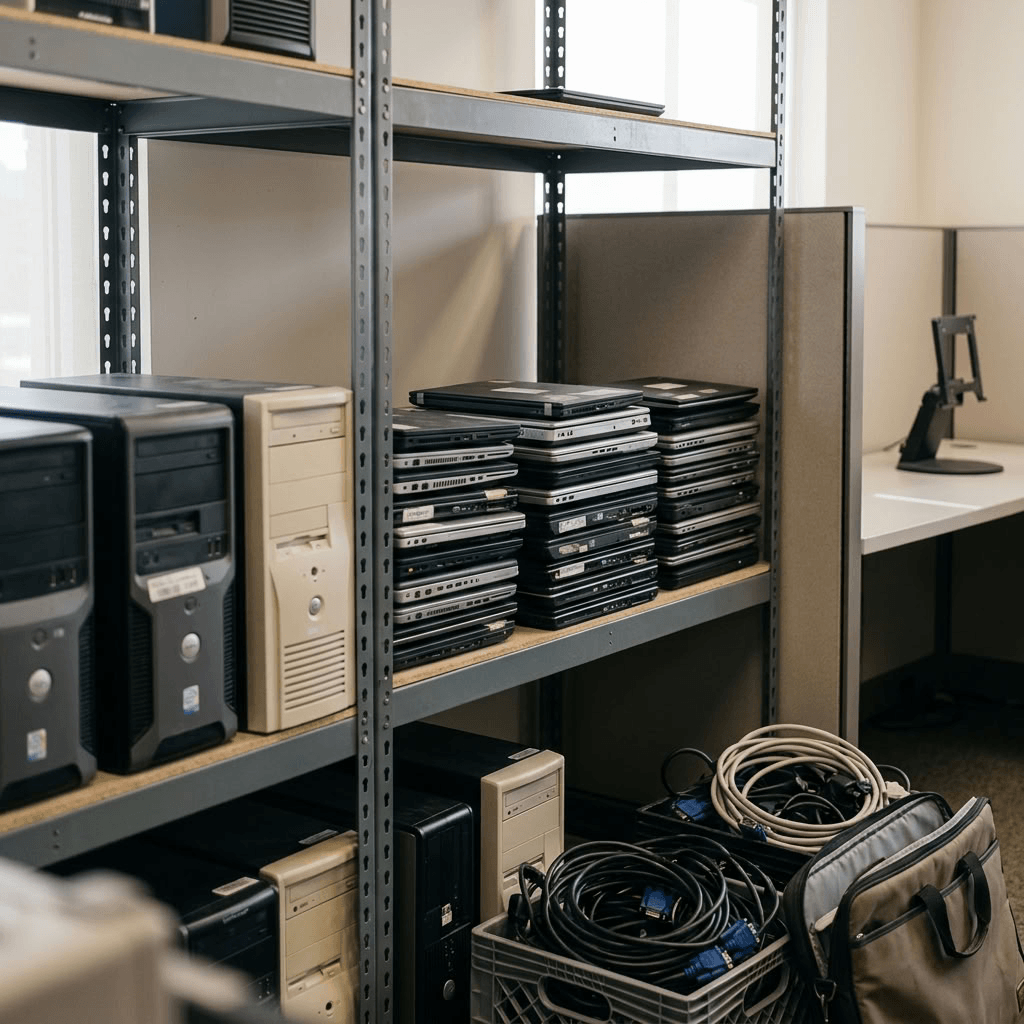
Businesses often hold onto retired computers, servers, hard drives, and other equipment because they aren’t sure how to dispose of them securely. Over time, unused equipment can take up valuable office, storage, or data center space and create unnecessary clutter.
IT asset disposition and hard drive destruction services can help your organization clear out retired equipment efficiently while ensuring sensitive storage devices are handled appropriately. Instead of allowing unused equipment to sit in a storage room indefinitely, a structured IT asset data destruction policy can also make it easier for your IT team to keep track of active assets and maintain a more organized technology environment.
Why hard drive destruction matters
When sensitive information is involved, proper IT asset disposal should be treated as seriously as data storage and cybersecurity. The goal is to ensure that hard drives don’t simply leave your facility and your control without a clear and documented chain of custody.
When evaluating a hard drive destruction provider, consider:
- Secure handling: How are drives collected and transported before destruction?
- Physical destruction: What equipment and processes are used to destroy hard drives?
- Documentation: Will you receive certificates of destruction and asset-level records?
- Chain of custody: Can the provider document how your assets were handled throughout the process?
- Compliance: Does the provider follow recognized data destruction and environmental standards?
- Recycling: What happens to the remaining materials after destruction?
Choosing the right provider can help your organization address both data security and responsible electronics recycling.
Learn more: How to Choose a Certified ITAD Provider for Secure Data Destruction
Protect your business with secure hard drive destruction
The benefits of hard drive destruction extend beyond simply getting rid of old equipment. Secure physical destruction can help make sensitive information unrecoverable, reduce data security and compliance risks, and free up valuable space in your workplace.
Keystone Technology Management provides secure data destruction and IT asset disposition services to help businesses responsibly retire their technology. Contact Keystone today to discuss your data destruction requirements and determine the right solution for your organization.
Learn more:
What is the Proper Way to Recycle E-Waste? Guide to Technology Recycling
What’s the Difference Between Hard Drive Destruction, Hard Drive Erasure, and Data Deletion
Importance of Data Destruction: Why Your Business Should Consider a Data Destruction Service
What is the Role of Data Destruction in Cybersecurity?