Secure IT Asset Disposition Across a Higher-Education Campus
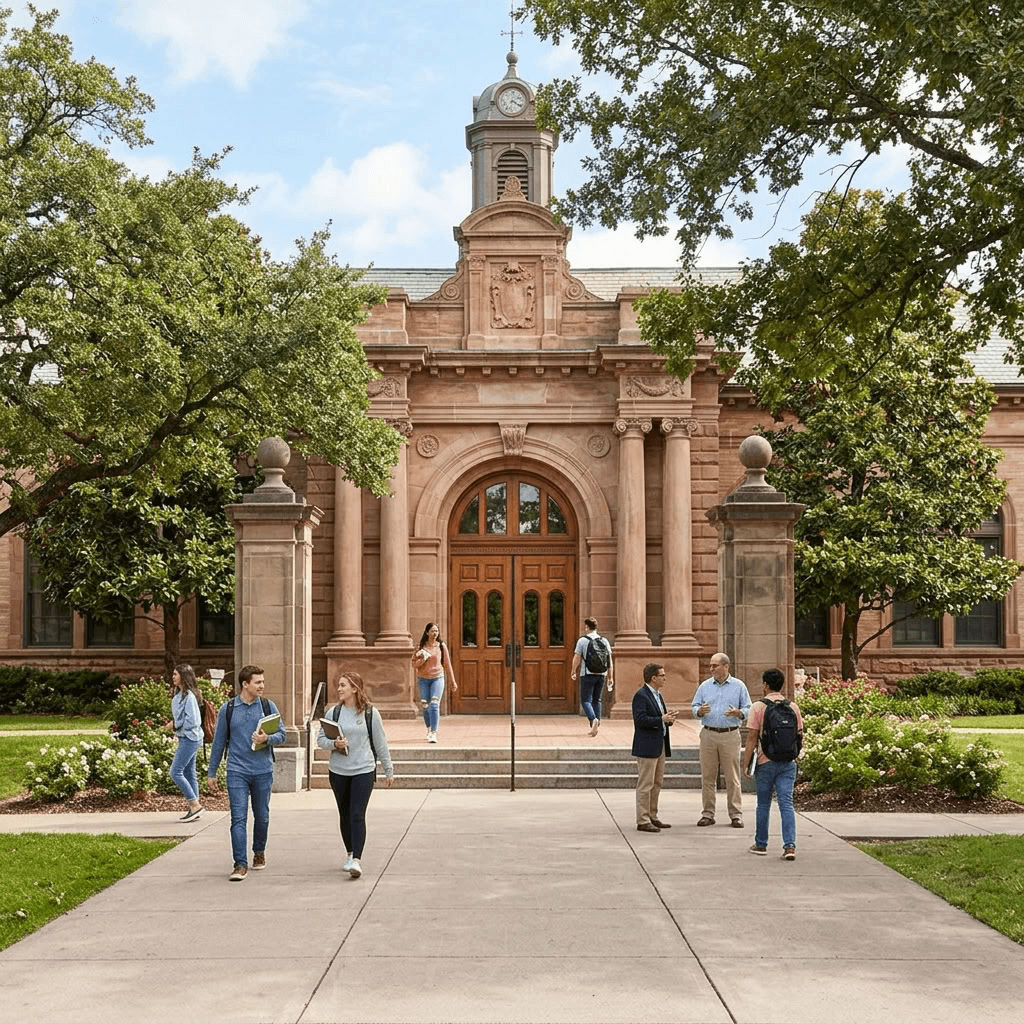
At a glance
A private higher-education college needed a reliable way to retire technology from academic, administrative, residential, and infrastructure environments. The equipment included computers, mobile devices, wireless access points, network hardware, telecommunications systems, classroom audio/video equipment, printers, displays, servers, storage media, and power equipment.
With technology spread across different campus locations, the college needed one accountable ITAD partner to coordinate equipment collections, secure data destruction, protect data-bearing devices, maintain asset-level records, and document final disposition.
Keystone implemented a controlled ITAD program connecting multiple campus collections, safe transportation, secure receiving, serialized asset auditing, data destruction, reuse evaluation, e-waste recycling, and reporting.
THE CHALLENGE
Secure and account for 6,727 technology assets across campus while protecting student, faculty, research, and institutional information.
The private college institution needed an ITAD partner to:
- Coordinate equipment collection from multiple campus locations without disrupting daily college operations.
- Maintain a documented chain of custody from authorized campus release through final disposition.
- Identify reusable equipment for value recovery and direct non-reusable electronics into responsible e-waste recycling streams.
- Protect student records, employee information, research materials, financial data, credentials, and infrastructure configurations.
- Provide centralized reporting to support internal asset reconciliation, security, and sustainability objectives.
The solution
One controlled ITAD process for campus collection, chain of custody, secure receiving, data destruction, e-waste recycling, serialized auditing, and final asset disposition.
1. Coordinated campus collections across the college
Keystone coordinated authorized campus collection points, confirming equipment volumes and local handoff requirements before removal. This helped IT teams manage equipment from multiple buildings without having to coordinate every collection independently.
2. Authorized campus release and documented chain of custody
Designated campus contacts released equipment through documented collection procedures, establishing a clear handoff and record of responsibility. This gave the educational institution greater accountability over equipment leaving its campus locations.
3. Controlled transportation
Equipment moved through planned logistics, with each load remaining associated with its originating campus collection record to maintain visibility into the equipment load as it moved from campus to Keystone’s facility.
4. Secure receiving at Keystone’s monitored facility
Inbound equipment entered Keystone’s controlled facility and was reconciled against its original collection record before auditing or processing. This helped identify and account for incoming equipment before it moved further through the ITAD process.
5. Serialized and quantity-based audit
Keystone recorded asset details including category, manufacturer, model, condition, serial number, storage information, quantity, pallet, and job association. This a more complete inventory to support campus asset reconciliation and internal reporting.
6. Certified data destruction and e-waste recycling
Computers, servers, storage arrays, and other data-bearing equipment were identified and routed through the required sanitization or destruction process. This protected sensitive institutional information, including student records, employee data, research materials, and infrastructure configurations, before equipment moved to its final disposition.
7. Final disposition and detailed reporting
Reusable equipment was evaluated for value recovery. Equipment that was no longer suitable for reuse was directed into e-waste recycling streams. Keystone maintained records connecting each service event to its equipment inventory, data treatment, and final disposition.
69,542
LBS OF TECHNOLOGY MANAGED
6,727
EQUIPMENT UNITS AUDITED
5,462
units recorded
21
SERVICE EVENTS
1
ITAD process
The outcome
A controlled campus ITAD program that maintained chain of custody, protected data-bearing equipment with secure data destruction, and supported IT disposition across 6,727 equipment units.
Need one accountable ITAD program across every location?